
Sensitive Content: This post contains graphic images
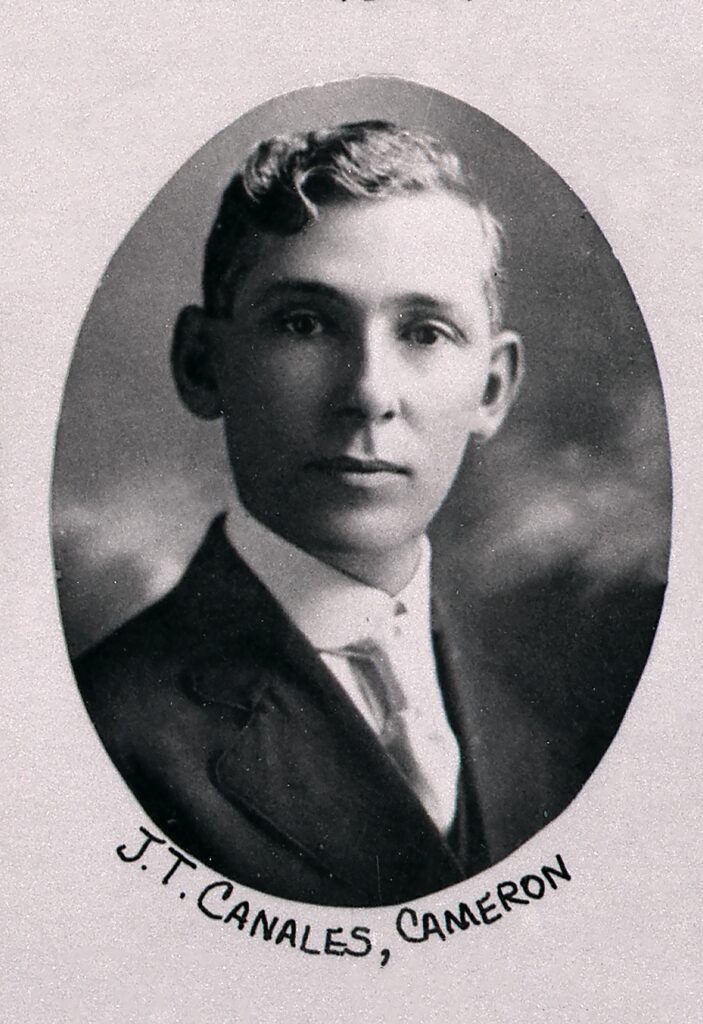
On Thursday, January 30, 1919, began an unprecedented exposure of state-sanctioned violence by the Texas Rangers and their accomplices. During the following two weeks, many of the more than seventy witnesses testified before a joint committee of the Texas legislature about murder, torture, displacement, and other efforts of intimidation of Border Mexicans by the Rangers. Twenty-one “charges” against the Rangers provided an outline for the proceedings. The resolution empowering the hearings, however, called for an investigation not only of the Rangers, but also of the sources of any “complaints” – and the motives in bringing them. So, while the horrific violence of the Rangers and their vigilante allies filled newspapers and public discourse, so, too, did venomous attacks on the figure responsible for the hearings, José Tomás Canales, fifth-term representative from the Rio Grande Valley.
J.T., as he was known, had touched off the fireworks by filing House Bill 5, a modest proposal to align the Ranger Force with other law enforcement operations. Canales wanted not only fewer Rangers (by eliminating “Special” Rangers), but better ones. To achieve this goal, he wanted to raise their pay, establish relevant qualifications, and require them to post bond, a requirement for all other law enforcement officers, from U.S. marshals to deputy sheriffs. To Ranger loyalists and committee members, however, he was calling for “defunding” the Rangers, in today’s terms, and thereby became the focus every bit as much as the Rangers themselves.
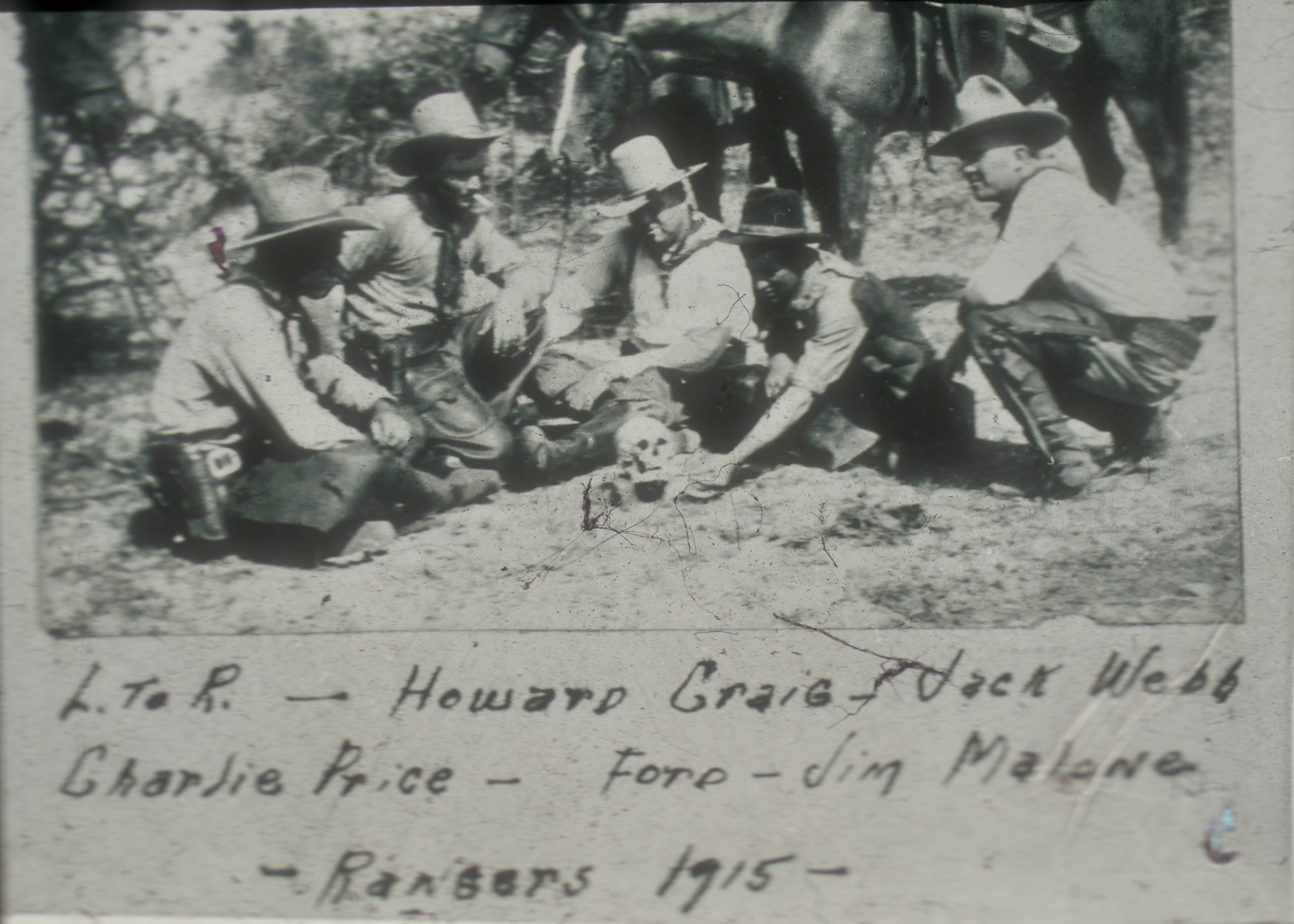
Canales wanted to show that the Rangers committed illegal and violent acts against residents of the state and that Adjutant General Harley and Ranger Inspector Hanson overlooked or blindly justified them. The Ranger team sought to make the hearings a referendum on the continued existence of the fabled force and an inquiry into the trustworthiness of Canales. Everyone believed that the fate of Canales’s HB 5 to reform the Rangers depended on the outcome of the hearings.
The charges against the Rangers, several offered by Canales and a handful from others, identified specific perpetrators and victims and drew from the files of the adjutant general, the Rangers’ supposed overseer. All of them centered on events from the current administration of Gov. William Hobby Sr, the better to avoid dismissal of them as irrelevant, as “old news.”
Several charges identified Rangers who physically abused suspects during interrogations, such as by hanging or beating them. Allegedly, Rangers, often drunk, menaced residents, discharged pistols, and killed victims in crowded restaurants and isolated pastures. The execution of fifteen Border Mexicans in Porvenir, Texas, was only the most heinous of the many atrocities connected to the paramilitary force—in a single year, 1918. The cause of these outrages was clear to Canales: the prevalence of “men of desperate character, notoriously known as gunmen, their only qualification that they can kill a man first and then investigate him afterward.”[1] And the adjutant general knew it, yet did nothing.
And it was to this systemic failure by the Ranger leadership—Harley and Hanson—of lying about, covering up, or justifying Ranger outrages, if they conducted any investigation at all, that filled the remaining several charges. They were the soul of Canales’s efforts. Without structural reforms (like surety bonds) and change of leadership (replacing Harley and Hanson), any efforts of reform would be cosmetic, Canales knew—and was proven right. As Canales saw it, and many witnesses affirmed, the Ranger Force had become infected by a murderous disease, and the supervisors refused life-saving treatment.
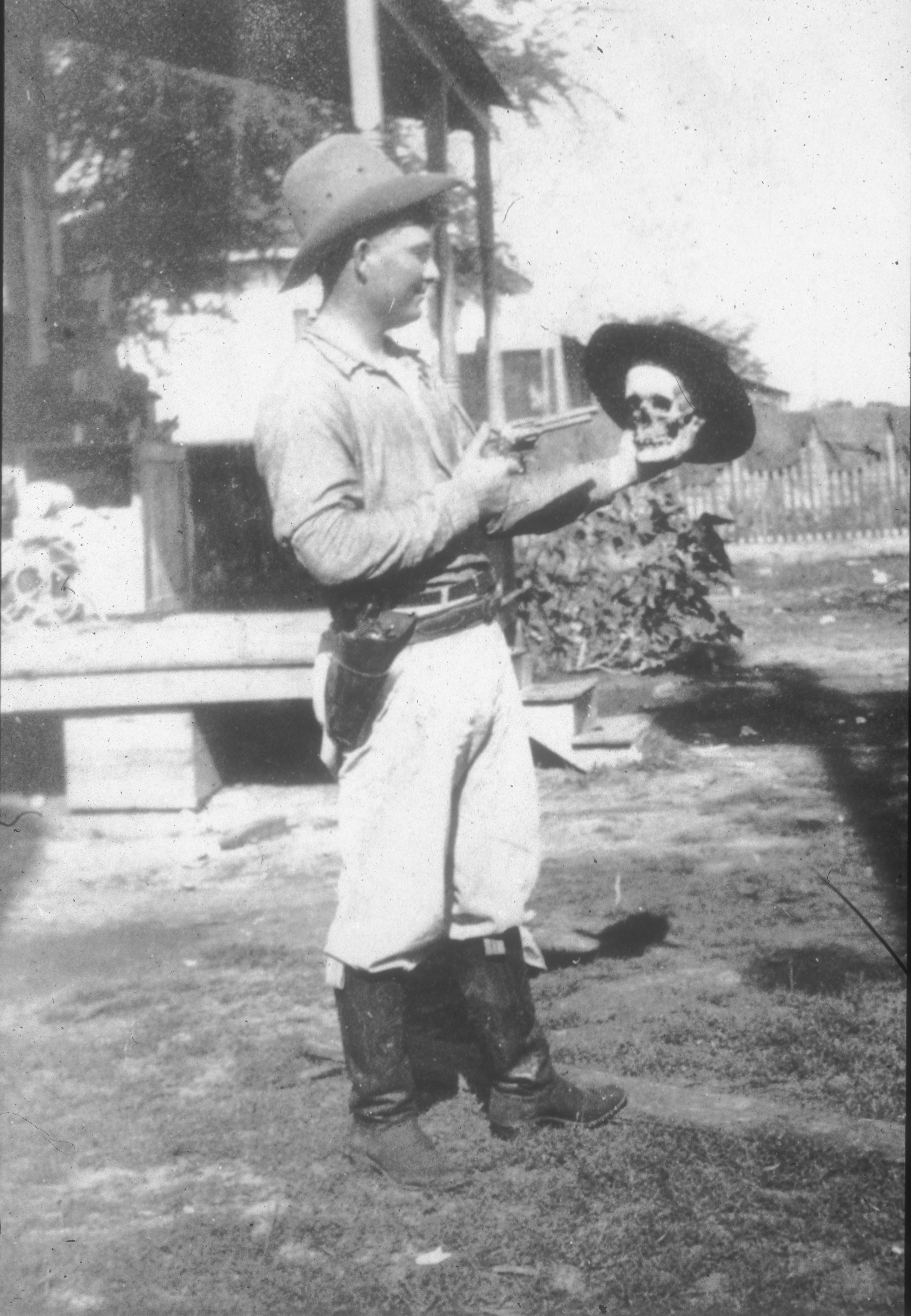
The Canales hearings break into three parts, with frequent exceptions: set up, prosecution, and defense. The first days of the hearings featured the filing of eighteen charges, opening arguments by Canales and Harley, some tentative rule-setting by the committee, and a discussion of “general conditions” along the border in recent years. The participants and public (the hearings were open and newspapers vied for coverage) contended with the improvisatory nature of the hearings, the shifting travel schedules of witnesses, the distraction of the Parr-Glasscock investigation in the senate, unforeseen charges from legislative peers and citizens, faulty or missing evidentiary documentation, and other developments that, at times, saw the hearings grind to a halt. But a great animosity toward Canales, enabled by the committee, accelerated.[2]
The prosecution by Canales lasted four days and met much resistance from the committee, most notably in the repeated rejection of evidence damning to the Rangers. Further, many potential witnesses did not appear before the committee in a meeting room packed with Rangers: After all, if Ranger Frank Hamer could threaten Canales, a sitting legislator, on a downtown street in his home town of Brownsville, be transferred to Austin in time to stalk Canales, and be rewarded, literally, with fees for notifying the very witnesses Canales would call from the border—well, Canales did not even call for them publicly.[3]
Much of the Ranger defense focused on the chaos of 1915-16 –– the “Bandit War” to Anglos and la matanza (“the massacre”) or la rinchada (a derivative of rinche, a derogatory term for “Ranger” still used) to Border Mexicans. For the Ranger team, the Plan de San Diego (a revolutionary impulse calling for the takeover of the US Southwest and execution of Anglo men, among other lofty goals), destabilization caused by the Mexican Revolution, and dangers of German influence related to World War I created a volatile region requiring a strong reaction. Canales countered that the main source for conflict was caused, not reduced, by the Rangers, a process that cost hundreds if not thousands of Border Mexican lives. Both sides referred to a “reign of terror,” from very different sources. The charges against the Rangers date from 1918, two years after the Border War had ended, by all accounts. Efforts to justify the Ranger response because of the troubled conditions, therefore, were not relevant for the same reason that any charges by Canales based in that period would be, as well. [4] But they were repeated by a parade of Ranger captains in the final days, and dutifully endorsed by the committee.
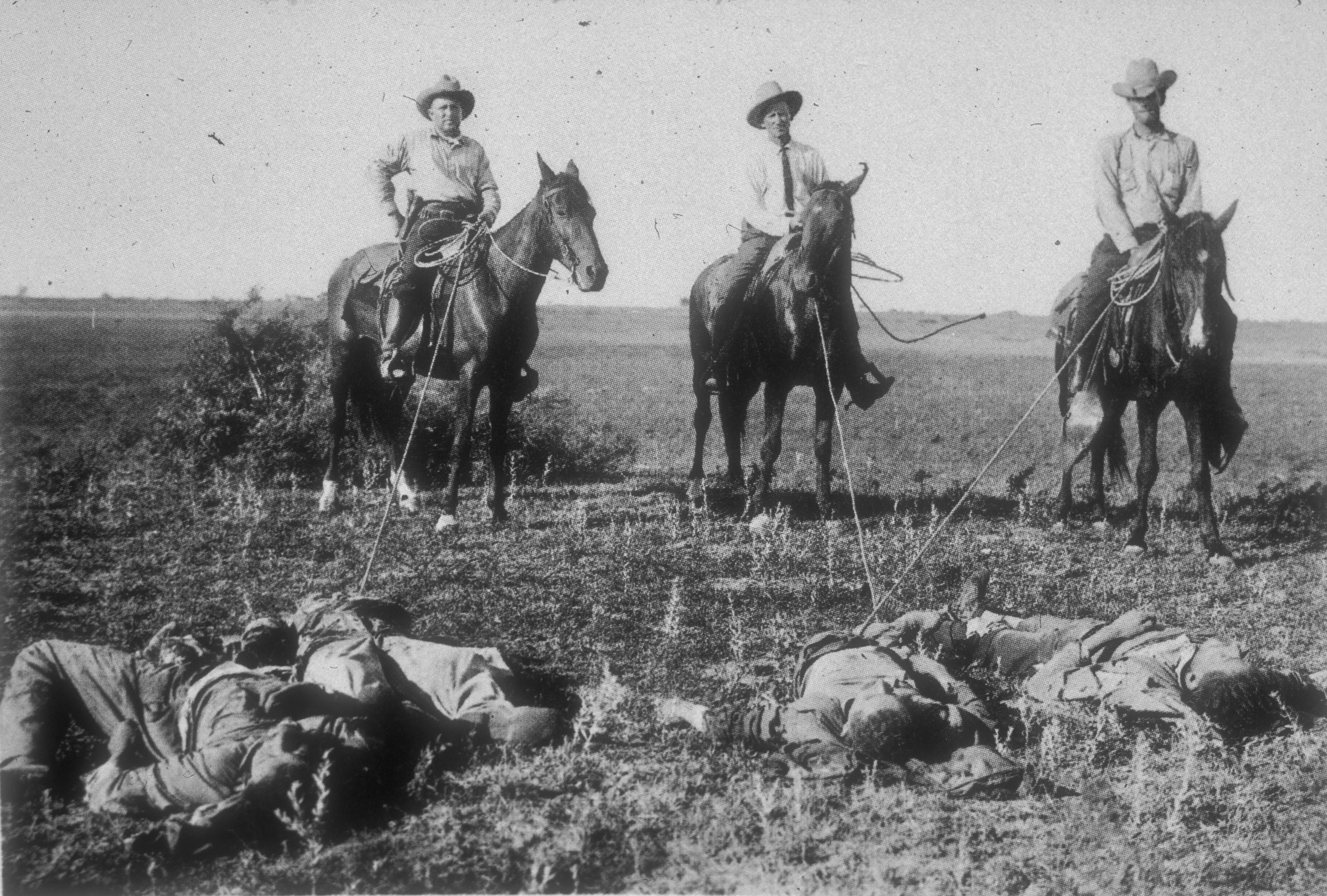
Perhaps greater inclusion of supporting evidence and protected testimony for his prospective witnesses would have made his case more compelling, but Canales, nevertheless, managed to construct virtually overnight a powerful case illuminating Ranger brutality. Expecting that the evidence itself would endorse his criticisms and support his reform bill, showed Canales was out of touch with the times. While the hearings took place, a horrific massacre of Black sharecroppers took place in neighboring Arkansas; six months later ethnic Americans suffered the Palmer raids; two years later Tulsa burned like a cross; and three years later Texas elected a Ku Klux Klan supporter to the US senate. Canales, with all his considerable clout and credentials, his family’s wealth and landed status, his legal training and rhetorical suasion, did not succeed in reining in the Rangers. He could not, given his actual identity and the mythical one of the Rangers as the protectors of white civilization in a dangerous world.
José Tomás Canales lost the 1919 battle to reform the Texas Rangers but has won the war to expose the truth about them. True, some of his ideas were co-opted into the substitute legislation still carrying the label HB 5, and several were included in a new round of rules meant to ensure more just operations. But the Rangers were only temporarily chastened, and quickly resorted to their traditional vicious tactics. More significantly, he began a process that continues today to expose and oppose their propaganda, deceit, and white supremacist mythology that underwrote their horrific behavior, especially in relation to Border Mexicans. Alone, at great risk, and against long odds, Canales first bent the long arc of border history toward justice, making possible our ongoing discovery of new truths about the Rangers.[5]
– Richard Ribb
[1] Charge 15, “The Proceedings of the Joint Committee of the Senate and House in the Investigation of the Texas Ranger Force,” Thirty-Sixth Legislature, Regular Session, typed transcript, Legislative Papers, Texas State Archives, Austin, 17 (hereafter cited as RFI), 148.
[2] For a day-by-day analysis of the hearings, see my guide on the Refusing to Forget website, https://refusingtoforget.org/wp-content/uploads/2022/12/ENDNOTESReaders-Guide-to-the-Canales-Investigation.doc.pdf
[3] See Charge 16, RFI, 148-49. Also, see the transcript pages 121 and 947-48 for Canales’s reticence to expose his constituents to Ranger attention.
[4] A more fitting term than “Bandit War.” Border Mexicans, the US Army, civilians, Mexican troops, vigilantes, and especially the Texas Rangers played instrumental roles in a volatile situation. The Texas Court of Criminal Appeals found South Texas to be in a “state of war” in a 1916 ruling that is still cited to establish the existence of limited war regardless of its formal declaration.
[5] Adapted from my forthcoming book examining in detail the life of Canales, the mythology surrounding the Rangers, and the excruciating context of the hearings: J.T. Canales and the Texas Rangers (Texas A&M Press, May 2026).

Richard Ribb, PhD, is a multiple-award winning educator with extensive experience in higher education. He has taught history at UT Austin, Texas A&M, and Austin Community College. His forthcoming book, J.T. Canales and the Texas Rangers (Texas A&M Press) will be released in May 2026.